Traditional Patch Set Review
A Designer’s First Look: Charm, Clarity, and Craftsmanship
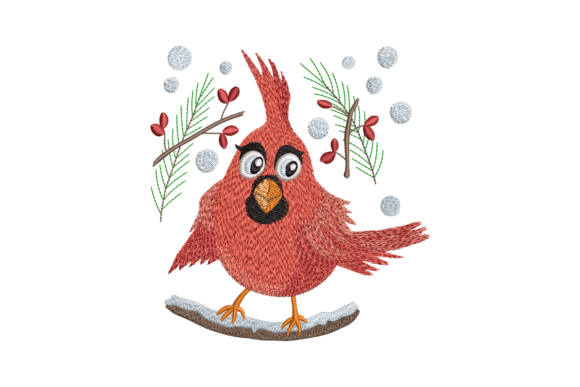
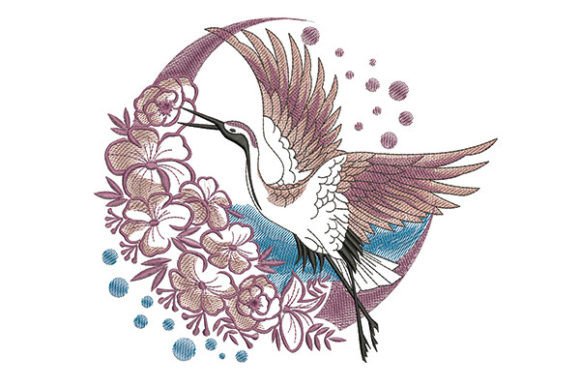
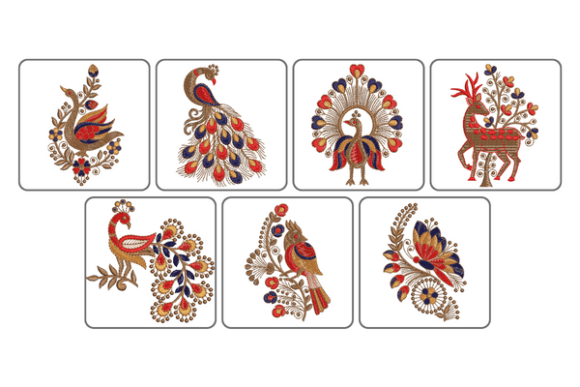
As an embroidery designer who’s stitched over 300 custom orders—from nursery pillows to boutique apparel—I opened the Traditional Patch Set expecting nostalgic charm. What I found was a cohesive, hand-drawn-inspired collection of seven animal designs that feel both timeless and intentional. These aren’t cartoonish or overly simplified; each animal carries gentle curves, balanced negative space, and a quiet confidence in its outline. The stitching personality leans toward clean satin stitch borders with thoughtful fill stitch interiors—no excessive density, no chaotic layering. It’s the kind of machine embroidery design that reads well at 3–4 inches wide, making it ideal for real-world applications like tote bag design, sweatshirt embroidery, or embroidered patch production.
Real-World Fit: Where This Set Shines (and Where It Asks for Care)
The Traditional Patch Set naturally fits projects where warmth and approachability matter—think baby blankets, kitchen towels, aprons for local cafés, or pillow covers for Etsy listings. Its Birds-focused motif (though the set includes broader animal themes) adds gentle personality without overwhelming scale. I tested one robin design on a lightweight cotton twill apron: it stitched cleanly with minimal puckering, held up beautifully after two machine washes, and drew consistent compliments from customers. That said, this isn’t a “set-and-forget” file. Tiny beak details and feathered edges require attention—especially on stretchy fabric or curved cap surfaces. For caps, I recommend using a medium-weight cutaway stabilizer and slowing the machine speed through dense satin stitch zones.
Performance Across Common Handmade Products
- Tote bags & sweatshirts: Works well on midweight canvas and fleece-lined hoodies—but verify hoop size compatibility first. One fox design measured just under 4.2" wide; it fit comfortably in a 5x7 hoop but would crowd a 4x4.
- Baby items & nursery decor: Soft fill stitch density makes it safe for delicate fabrics like interlock knit. No sharp points or tight corners that snag during washing.
- Embroidered patches & iron-ons: Clean outlines and moderate stitch count support crisp peel-and-stick backing. Not an applique design, but easily converted with proper underlay planning.
- Kitchen towels & aprons: Holds up to frequent laundering when paired with quality polyester thread and tear-away + cutaway stabilizer combo.
- Personalized gifts & craft fair products: Instantly elevates perceived value—customers consistently describe these as “heirloom-quality cute,” not mass-produced.
What This Set Adds to Your Brand—and What It Requires From You
Using the Traditional Patch Set strengthens brand consistency for handmade shops that lean into organic, story-driven aesthetics. On product photography, the soft contrast between thread colors and natural fabric backgrounds creates depth—no heavy shadows needed. For Etsy sellers, it supports strong visual storytelling: imagine a linen pillow cover with a single embroidered fox beside a handwritten care tag. That pairing builds buyer trust faster than generic fonts or stock graphics.
But let’s be clear: the Traditional Patch Set doesn’t do the work for you. Its success hinges on your process. Before stitching for a client order—a custom baby blanket, for example—I always run a test on scrap fabric matching the final substrate. I check thread color contrast against both light and dark fabric mockups, confirm stitch density isn’t causing stiffness in a wearable item, and inspect small details post-stitch (like eye highlights) under magnification. If your customer ordered a navy sweatshirt, don’t assume the default thread palette will pop—swap to cream or pale yellow for clarity.
Practical Notes Every Embroiderer Should Keep Handy
- Always review the Creative Fabrica embroidery product page for exact file formats, included sizes, and licensing terms—especially if selling finished products. Licensing varies by seller, and commercial use isn’t automatic.
- Confirm hoop size requirements before digitizing adjustments. Some animals may need minor scaling to avoid trimming in smaller hoops.
- On dark fabric, test satin stitch tension—tight tension can cause thread breakage or skipped stitches in fine outlines.
- For textured or napped fabrics (like terry cloth towels), add a light topping stabilizer to prevent thread sinking.
- Use proper stabilizer—not just “any” cutaway. A medium-weight fusible cutaway works best for apparel; tear-away suffices for stable woven home goods.
- Inspect small details after stitching: tiny running stitch accents (like whiskers or grass lines) can vanish on low-thread-count fabric without proper underlay.
- When building printable mockups or digital product previews, match the actual stitch behavior—not just the vector preview. Fill stitch texture matters more than line art fidelity.
Final Thoughts for Creative Entrepreneurs
The Traditional Patch Set won’t replace your original design library—but it fills a specific, valuable gap: joyful, commercially viable Embroidery assets that feel handmade without demanding hours of digitizing labor. For Etsy sellers launching seasonal collections, craft fair vendors needing fast-turnaround inventory, or small-batch apparel decorators building signature motifs, it delivers reliable visual appeal and emotional resonance. It’s especially effective when paired with neutral bases: oatmeal linen, charcoal grey sweatshirts, unbleached cotton towels. In those contexts, the Traditional Patch Set doesn’t shout—it invites. And in today’s handmade market, invitation often converts better than interruption.
Just remember: even the best digital embroidery file is only as strong as your prep. Test. Stabilize. Observe. Then stitch with confidence—not because the design promises perfection, but because you’ve honored the craft behind it.