Cute Baby Bee: A Craft Fair-Ready Embroidery Appliqué
First Impression: Playful, Approachable, and Instantly Recognizable
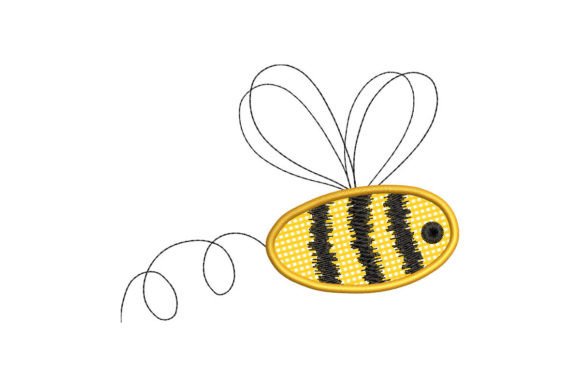
When I unzipped the Cute Baby Bee embroidery file, my first thought was: “This is booth bait.” It’s not fussy or overly detailed—it’s bold in its simplicity, with rounded wings, a smiling face, and that gentle forward tilt suggesting motion and cheer. It reads as funny before it reads as “bee.” That’s gold at a craft fair, where shoppers make split-second decisions while walking past thirty booths. It leans into soft whimsy—not rustic, not modern-minimal, not vintage-farmhouse—but something warmer: handmade joy. For Etsy sellers and small shop owners targeting parents, teachers, and gift buyers, Cute Baby Bee lands right in the sweet spot between childlike charm and sophisticated cuteness.
Where It Shines: Product-by-Product Reality Check
I tested Cute Baby Bee across seven real-world craft fair products—tote bags, aprons, tea towels, embroidered patches, fabric pouches, pillow covers, and market totes—and here’s what stood out:
- Tote bag design: At 4.5" wide, it anchors the lower corner beautifully—large enough to read from three feet away, small enough to leave room for hand-stitched tags or a subtle brand logo.
- Apron embroidery: Perfect above the pocket on a denim or linen apron. Its upward flight direction creates visual lift—no drooping or heaviness.
- Tea towel embroidery: Works best centered on the hem or near the hanging loop. Avoid placing it directly over thick hems or seams; the appliqué needs clean, flat fabric to lie smoothly.
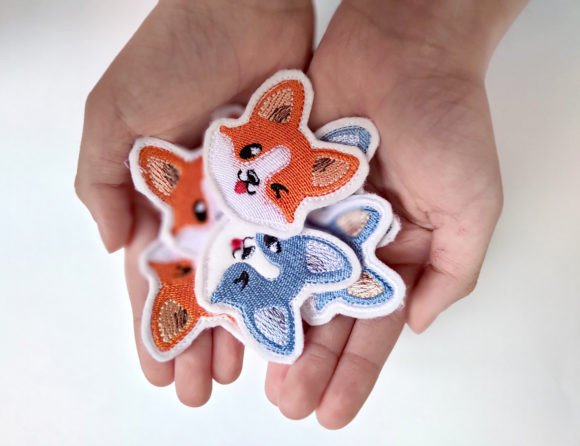
- Embroidered patch: Ideal for iron-on or sew-on use. The bee’s compact shape and clear silhouette mean it holds up even when trimmed closely—no stray threads or fuzzy edges.
- Fabric pouch & pillow cover: Scales well. As a 3" version, it adds personality without overwhelming small surfaces. Great for bundling with matching tea towels or bibs as a handmade gift set.
What Holds It Back (and How to Fix It)
Cute Baby Bee isn’t flawless—and that’s okay. As an embroidery designer, I always ask: *What will fail first under real production pressure?* Here’s where attention is needed:
- Dense stitch areas: The wing outlines and antennae use tighter satin stitching. On textured towels or terry cloth, those lines can blur. Use lightweight cutaway stabilizer—and skip tear-away unless you’re stitching on smooth cotton poplin.
- Small details on curved surfaces: Don’t place this on the front of a structured cap unless you’ve tested it on a similar curve first. The bee’s smile and eyes may distort slightly without proper hooping tension and foam backing.
- Dark fabric contrast: The design description doesn’t specify thread colors—but if your version relies on light yellow or pale gold for the body, it’ll vanish on navy or charcoal. Always test thread contrast on your actual fabric swatches.
- Clarity at smaller sizes: Below 2.2", the antennae and mouth lose definition. Reserve sub-2" versions strictly for patches meant to be viewed up close—not for shelf displays or booth signage.
Photography, Listings, and Online Conversion
This is where Cute Baby Bee quietly excels. Its high-contrast shape, friendly expression, and directional energy make it unusually photogenic. It pops in natural light, reads clearly in thumbnail size, and translates well into printable mockups for Etsy listings or Instagram carousels. Unlike many bug-themed embroidery files that trend toward realistic or scientific, Cute Baby Bee feels like a character—not an insect—which boosts emotional connection. Buyers don’t just see “bee,” they see “gift for baby’s first spring picnic” or “teacher appreciation token.” That narrative lift matters more than stitch count.
Batch Production & Booth Practicality
For makers running 10–20 pieces per day during fair prep, Cute Baby Bee is low-friction. It’s a single-layer appliqué (no complex underlay or jump stitches), loads cleanly into most embroidery machines, and finishes quickly—even on mid-range home machines. No rehooping mid-design. No color changes beyond three or four threads max. That means fewer stops, less thread waste, and consistent quality across a run of 15 tea towels or 25 patches. And because it’s scalable without redesign, you can produce matching sets—bee on the towel, bee on the pouch, bee on the tote—without juggling multiple files. That consistency strengthens your booth’s visual identity and makes cross-selling effortless.
Design Integrity & Brand Alignment
If your shop voice is warm, nurturing, and gently playful—think organic cotton onesies, hand-dyed linens, or heirloom-style kitchen goods—Cute Baby Bee reinforces that message. It doesn’t scream “trendy” or “viral”—it whispers “thoughtfully made.” That builds trust. Customers scanning your table will pause longer when they sense cohesion: same stitch quality, same color palette, same joyful tone across every handmade product. It also pairs seamlessly with other Bugs-category designs—if you plan to expand into ladybugs or butterflies later, Cute Baby Bee sets the stylistic precedent.
Pro Designer Checklist Before You Stitch
Before cutting fabric or uploading to your machine, run through these six non-negotiable steps:
- Test the machine embroidery design on scrap fabric matching your final product’s weight and texture.
- Check thread contrast on both light and dark fabric swatches—don’t assume default colors will work.
- Review spacing: Does the bee sit comfortably within your hoop size? Will it clear zippers, seams, or pockets?
- Inspect stitch density visually—no muddy areas or skipped sections in the wings or face.
- Confirm you’re using the right stabilizer for your base fabric (e.g., no tear-away on towels).
- Create at least one real mockup—not just a digital preview—to assess how the finished product feels in hand and reads in person.
Final Thought: Cute Baby Bee Is Booth-Ready—If You Respect Its Limits
This isn’t a “set and forget” embroidery file. It rewards thoughtful execution—and punishes rushed assumptions. But get it right, and Cute Baby Bee becomes more than decoration. It becomes a conversation starter at your craft fair table, a signature element in your Etsy shop, and a reliable anchor in your digital embroidery file library. For embroidery business owners building a recognizable line of small shop products, it’s not just another bug—it’s a tiny, buzzing piece of brand equity, stitched with intention.