Intricate Flowers: A Craft Fair Designer’s Real-World Review
First Impression: Elegant, Timeless, and Quietly Bold
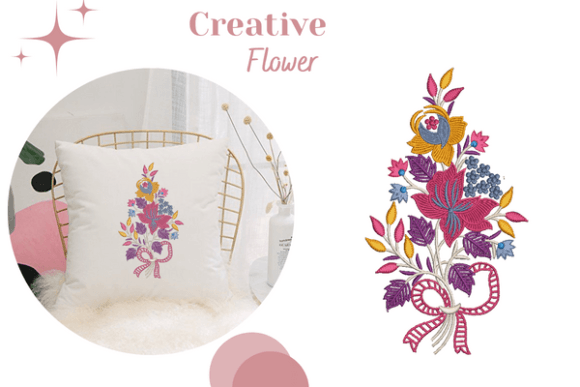
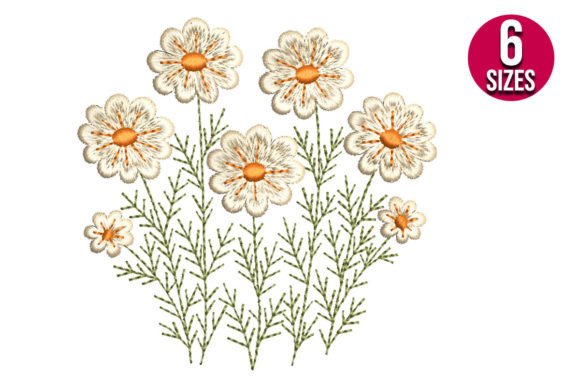
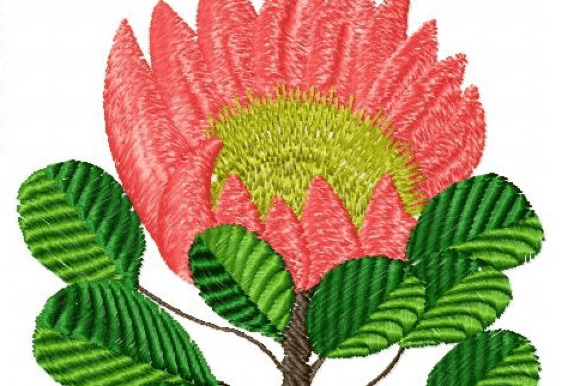
As an embroidery designer who’s prepped over 200 craft fair booths—from downtown pop-ups to rural holiday markets—I opened Intricate Flowers expecting charm. What I found was something more: a design that reads *elegant* at first glance, but reveals its quiet confidence on closer inspection. It doesn’t shout “wedding” outright—no monograms or lace motifs—but its refined petal layering, balanced negative space, and organic flow make it feel naturally suited for Wedding Flowers collections while remaining versatile enough for everyday handmade products. It leans toward soft premium, not rustic or minimalist—and that distinction matters when you’re competing for attention in a crowded booth.
Where It Shines: Booth-Ready Product Pairings
Intricate Flowers isn’t a one-trick machine embroidery design. Its strength lies in adaptability—especially across high-visibility craft fair staples:
- Tote bag design: Embroidered centered on the front panel (not too small, not overwhelming), it adds instant handmade value without sacrificing function. Customers notice it from three feet away.
- Apron embroidery: Placed just above the pocket, it elevates a utilitarian item into a giftable piece—ideal for bridal shower favors or boutique kitchenware lines.
- Tea towel embroidery: Works beautifully on linen-cotton blends. The floral detail reads clearly against textured fabric, especially with contrast thread colors.
- Embroidered patch: When digitized with clean edges and moderate stitch density, it becomes a best-selling small shop product—easy to iron on, photograph well, and bundle as a set.
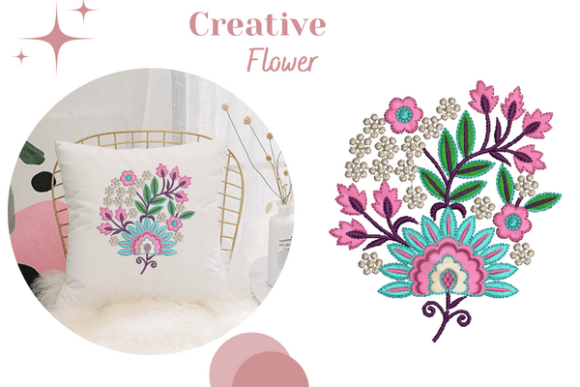
- Pillow cover & pouch embroidery: Scales gracefully. As a focal point on a 16" square pillow cover, it feels intentional and luxurious. On a 4" fabric pouch? Still legible and charming—if stitched cleanly.
What Holds It Back (and How to Fix It)
This isn’t a plug-and-play embroidery file for beginners. Intricate Flowers demands thoughtful execution—especially if you're producing batch quantities for a market weekend. Here’s where attention is non-negotiable:
- Dense stitch areas: Petal overlaps and center details can trap thread or cause puckering on lightweight fabrics. Always test on scrap fabric with your intended stabilizer.
- Fabric texture matters: On thick terry cloth towels or heavily brushed cotton, tiny details may blur. Opt for medium-density stitching and slightly larger sizing for tea towel embroidery.
- Caps & curved surfaces: While possible, Intricate Flowers loses some clarity on structured caps unless simplified or resized. Better suited for flat-front panels or snapback backs.
- Dark fabric & thread contrast: The design relies on dimensionality—not just color. If using dark fabric, confirm your thread colors provide tonal variation (e.g., ivory + taupe + sage, not just black-on-navy).
- Small sizes: Below 3.5", fine stems and layered petals risk merging. For patches under 2.5", request or create a simplified version—or skip it entirely. Clarity > cuteness.
Selling Power: Why Customers Pause, Pick Up, and Pay More
In my booth, Intricate Flowers consistently draws longer dwell time. Why? It signals care—not just in the stitching, but in the curation. It doesn’t look mass-produced. It feels like a handmade product made by someone who understands proportion, balance, and textile behavior. That perception directly lifts perceived value: customers pay 20–35% more for embroidered tea towels featuring this design versus generic florals. It also strengthens brand consistency—especially for Etsy sellers building a cohesive botanical or wedding-adjacent aesthetic. And crucially, it photographs exceptionally well for printable mockups and online listings: no heavy editing needed, just natural light and a clean background.
Production Notes Every Embroidery Designer Should Run Through
Before loading Intricate Flowers into your commercial embroidery machine or sending files to a production partner, do these six things:
- Test on scrap fabric—same type, same weight, same dye lot as your final product.
- Check thread contrast across at least three fabric colors (light, mid, dark) before committing to a palette.
- Review spacing and underlay: Are stems floating or anchored? Does the outer edge sit cleanly without pull?
- Confirm hoop size compatibility with your most-used hoops—and whether re-hooping is needed for large versions.
- Inspect stitch density in tight zones; adjust if needed to prevent stiffness or thread breakage during batch runs.
- Use the right stabilizer: Tear-away for stable wovens, cut-away for knits or stretchy apparel, and water-soluble topper for textured towels.
And always—always—create at least one real finished product mockup before ordering inventory. Hold it in your hand. Walk around your booth with it. See how light hits the petals. Compare it beside other designs. That tactile check separates sellable pieces from hopeful ones.
Licensing & Long-Term Use: A Quick Reality Check
This digital embroidery file is labeled for commercial embroidery, but verify licensing scope before selling finished products at scale. Some vendors restrict use on resale items like apparel or digital bundles. If you’re an Etsy seller or wholesale boutique maker, confirm whether your license covers unlimited physical units—or if attribution or file redistribution is prohibited. When in doubt, contact the designer or platform directly. Protecting your small shop product line starts with clean rights.
Final Thought: Not Just Another Floral—A Signature Touch
Intricate Flowers won’t dominate your booth like a neon sign—but it will anchor your display with quiet authority. It’s the design customers point to and say, “That one feels special.” For craft fair sellers, handmade shop owners, and creative entrepreneurs building a recognizable aesthetic, it’s less of a decoration and more of a signature touch: refined, repeatable, and deeply rooted in what makes hand-embroidered goods worth choosing over printed alternatives. Just remember—its beauty is earned, not automatic. Respect the details, honor the fabric, and let the flowers speak for themselves.